Plant care, sensed
Spider plant
Chlorophytum comosum
Chlorophytum comosum, usually called spider plant or common spider plant due to its spider-like look, also known as spider ivy, airplane plant, ribbon plant, and hen and chicks, is a species of evergreen perennial flowering plant of the family Asparagaceae. It is native to tropical and Southern Africa but has become naturalized in other parts of the world, including Western Australia and Bangladesh. Chlorophytum comosum is easy to grow as a houseplant because of its resilience, but it can be sensitive to the fluoride in tap water, which commonly gives it "burnt tips". Variegated forms are the most popular.
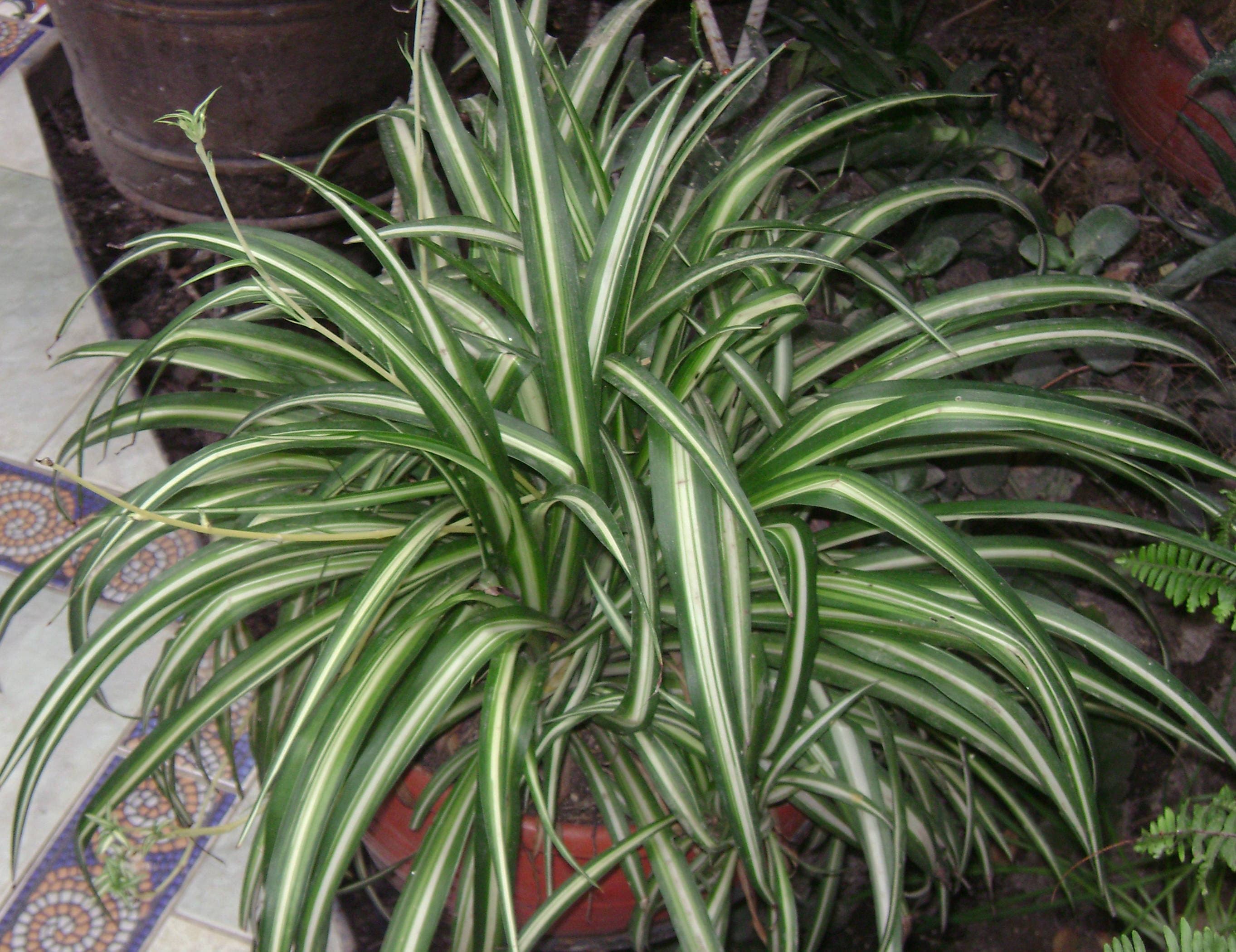
Wikimedia Commons contributors
The sensor knows
What Orabee watches for on your spider plant.
Each target is sourced from horticultural guidance, quoted in full so you can see exactly where the numbers come from.
Ambient temperature
18–32 °C (65–90 °F) is best; tolerates down to 2 °C
“They will tolerate temperatures down to 2 °C (35 °F), but grow best at temperatures between 18 °C (65 °F) and 32 °C (90 °F).”
Adaptability
Thrives across a wide range of conditions
“Spider plants are easy to grow, being able to thrive in a wide range of conditions.”
Water quality
Sensitive to high fluoride or boron
“Plants can be damaged by high fluoride or boron levels.”
The grounding
Wikipedia’s care notes for spider plant.
Quoted in full so you can see exactly what every Orabee target above is anchored to. Sourced from Wikipedia, released under CC BY-SA 4.0.
Cultivation
Plant facts
- Scientific name
- Chlorophytum comosum
- Common name
- Spider plant
- Good to know
- BeginnerPet-safe
Care guidance from Wikipedia, released under CC BY-SA 4.0.
Let Orabee do the watching.
Reserve your spot for $1. Refundable anytime, applied to your Kickstarter pledge. The sensor takes care of the numbers. You just check the face.