Plant care, sensed
Rubber plant
Ficus elastica
Ficus elastica, the rubber fig, rubber bush, rubber tree, rubber plant, or Indian rubber bush, Indian rubber tree, or rambung is a species of flowering plant in the family Moraceae, native to eastern parts of South and Southeast Asia. Its common names reflect its historical use as a source of rubber within its native range, but it is not used in the modern commercial-scale production of natural rubber.
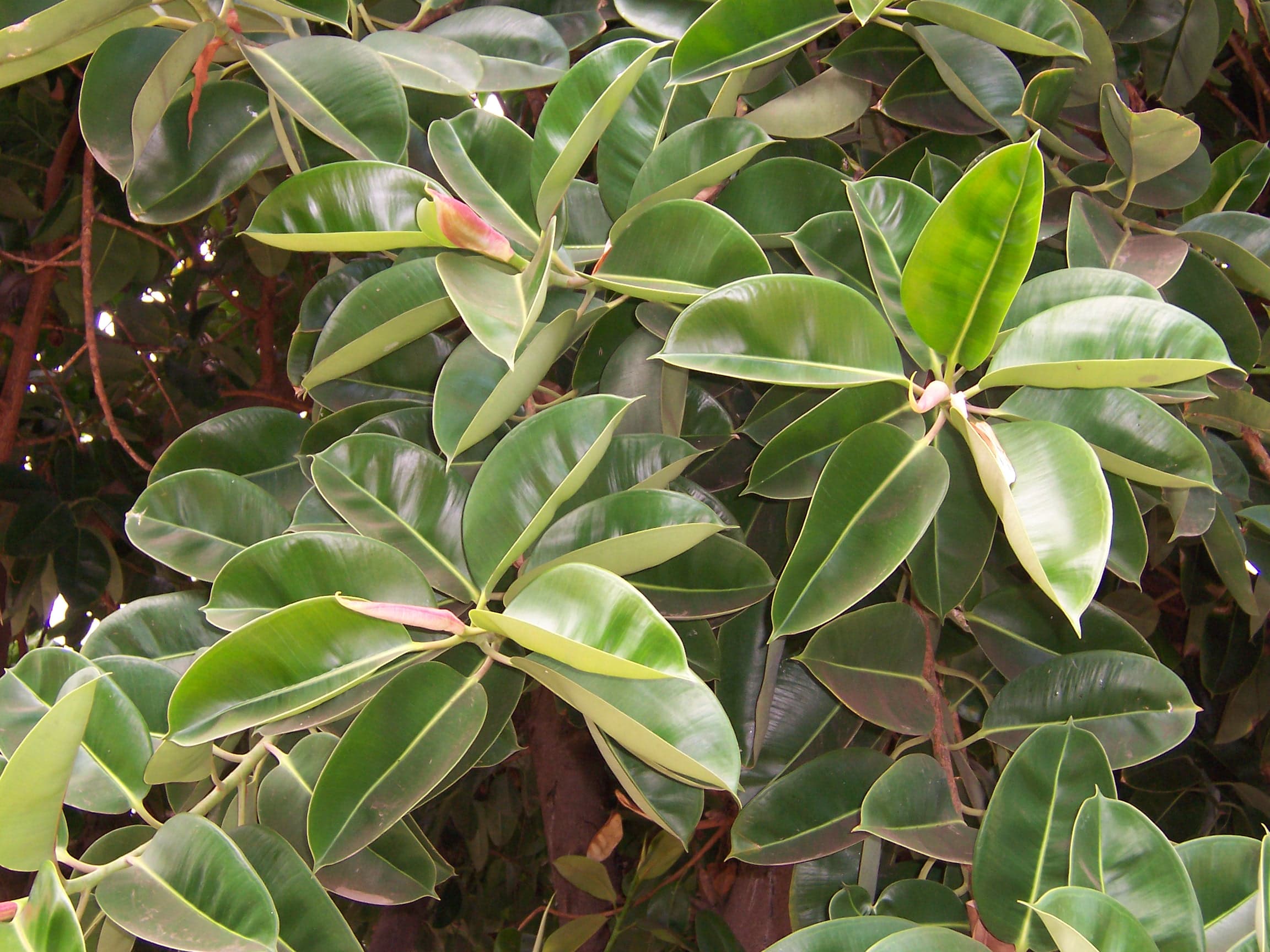
Wikimedia Commons contributors
The sensor knows
What Orabee watches for on your rubber plant.
Each target is sourced from horticultural guidance, quoted in full so you can see exactly where the numbers come from.
Light
Bright light, not hot
“In cultivation, it prefers bright sunlight but not hot temperatures.”
Humidity
Prefers humidity; tolerates drought
“It has a high tolerance for drought, but prefers humidity and thrives in wet, tropical conditions.”
Orabee, translated
What each face means for rubber plant.
The mascot on the e-ink screen reflects what the sensor sees. Here’s when each expression shows up, and why.

Happy
Bright light, humid air, nothing too hot.
“In cultivation, it prefers bright sunlight but not hot temperatures.”
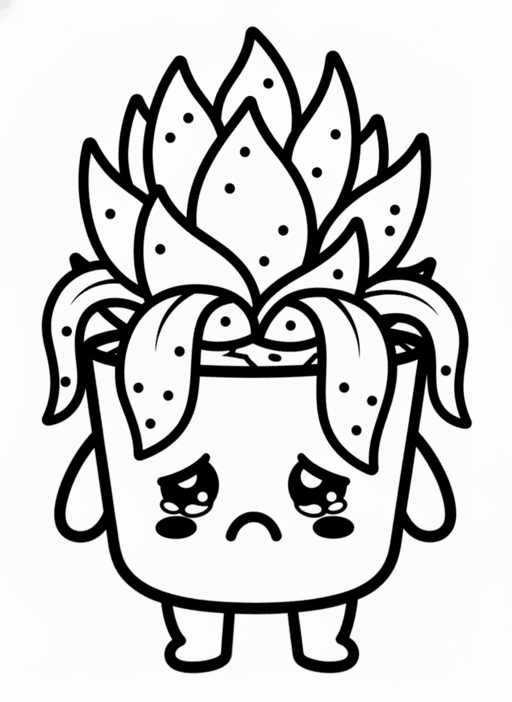
Thirsty
Air's gone dry; it copes, but prefers moisture.
“It has a high tolerance for drought, but prefers humidity and thrives in wet, tropical conditions.”
The grounding
Wikipedia’s care notes for rubber plant.
Quoted in full so you can see exactly what every Orabee target above is anchored to. Sourced from Wikipedia, released under CC BY-SA 4.0.
Cultivation
Ornamental
Plant facts
- Scientific name
- Ficus elastica
- Common name
- Rubber plant
- Good to know
- TropicalDrought-tolerant
Care guidance from Wikipedia, released under CC BY-SA 4.0.
Let Orabee do the watching.
Reserve your spot for $1. Refundable anytime, applied to your Kickstarter pledge. The sensor takes care of the numbers. You just check the face.