Plant care, sensed
ZZ plant
Zamioculcas zamiifolia
Zamioculcas is a genus of flowering plants in the family Araceae, containing the single species Zamioculcas zamiifolia. It is a tropical herbaceous perennial plant, and is native to eastern Africa, including Kenya, KwaZulu-Natal, Malawi, Mozambique, Tanzania, and Zimbabwe. Its common names include Zanzibar gem, Zuzu plant, emerald palm, ZZ plant, aroid palm and eternity plant. It is commonly grown as a houseplant, mainly because it has attractive glossy foliage and is easy to care for. Zamioculcas zamiifolia is winter-hardy in USDA Zones 9 and 10.
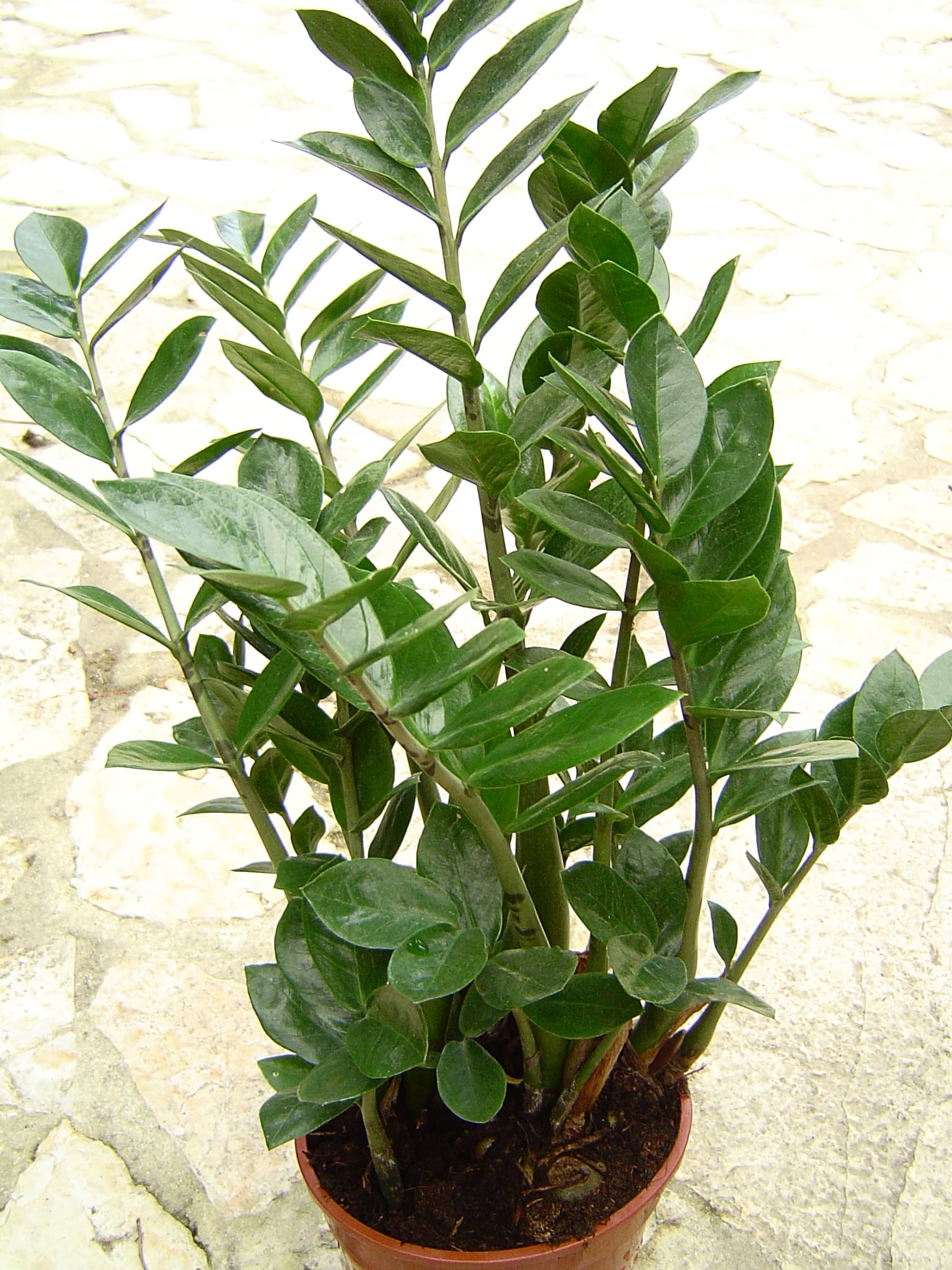
Wikimedia Commons contributors
The sensor knows
What Orabee watches for on your zz plant.
Each target is sourced from horticultural guidance, quoted in full so you can see exactly where the numbers come from.
Ambient temperature
18–26 °C (64–79 °F) is best; not below 15 °C
“It may survive outdoors as long as the temperature does not fall below around 15 °C (60 °F); though best growth is between 18 and 26 °C (64 and 79 °F) while high temperatures give an increase in leaf production.”
Light
Bright indirect; tolerates low light
“When grown indoors, the plant prefers bright indirect light but will tolerate low light conditions.”
Overwatering
Keep it dry; overwatering causes tuber rot
“Overwatering may destroy this plant through tuber rot.”
Orabee, translated
What each face means for zz plant.
The mascot on the e-ink screen reflects what the sensor sees. Here’s when each expression shows up, and why.

Happy
Warm room, bright indirect light, soil kept dry.
“When grown indoors, the plant prefers bright indirect light but will tolerate low light conditions.”

Drowning
Soil staying wet; overwatering causes tuber rot.
“Overwatering may destroy this plant through tuber rot.”
The grounding
Wikipedia’s care notes for zz plant.
Quoted in full so you can see exactly what every Orabee target above is anchored to. Sourced from Wikipedia, released under CC BY-SA 4.0.
Cultivation
Temperature
Light
Soil
Water
Plant facts
- Scientific name
- Zamioculcas zamiifolia
- Common name
- ZZ plant
- Good to know
- BeginnerLow-lightDrought-tolerant
Care guidance from Wikipedia, released under CC BY-SA 4.0.
Let Orabee do the watching.
Reserve your spot for $1. Refundable anytime, applied to your Kickstarter pledge. The sensor takes care of the numbers. You just check the face.